

 See My Latest Article on HelloNation
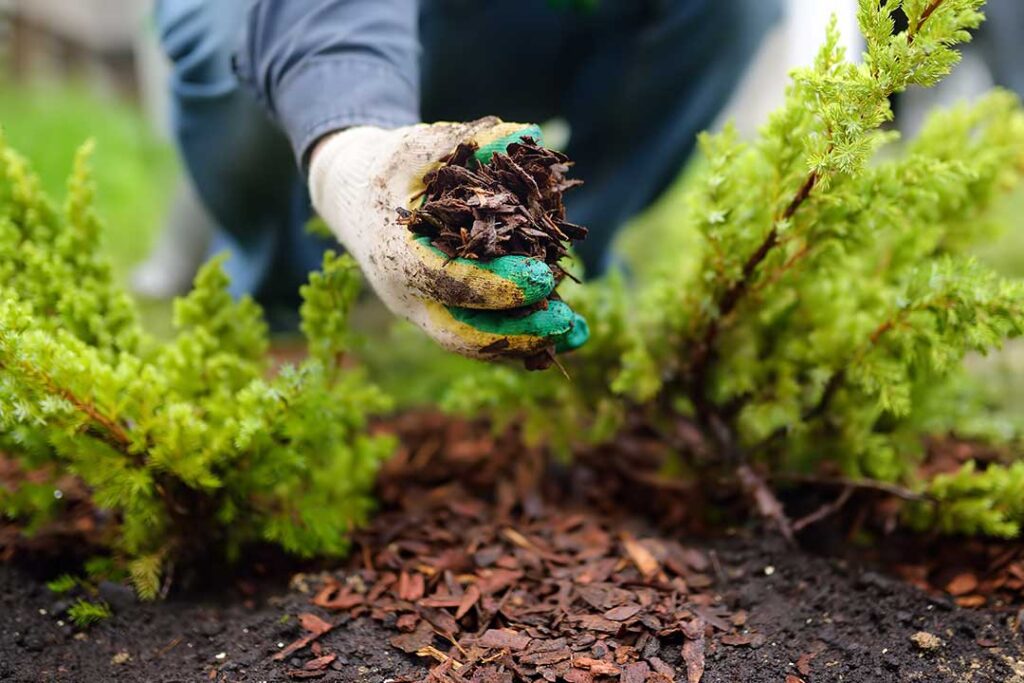
What Makes a Plant Low-Maintenance in Farmington Hills, MI?
Low-maintenance plants are those that require little regular upkeep, adapt well to local weather, and generally remain healthy with minimal intervention. In Farmington Hills, where winters can be cold, summers tend to be humid, and clay soils are common, the best choices are those able to withstand seasonal swings while resisting pests and disease.
Yards here benefit from plants that:
- Need little to no pruning or deadheading
- Tolerate periods of both rain and drought
- Require minimal fertilization or supplemental watering after establishment
- Resist deer and common pests
- Remain attractive across the seasons
Which Perennials Offer Easy Care for Area Residents?
Certain perennial flowers and shrubs reappear year after year with minimal attention. These choices are particularly well-suited for the area’s climate and neighborhood conditions:
*Black-eyed Susan (Rudbeckia fulgida)*
These hardy yellow flowers adapt easily to local soils. Once established, they form dense patches that suppress weeds and rarely need more than occasional thinning or cutting back in early spring.
*Daylily (Hemerocallis)*
Daylilies are known for resilience and reliability. Spreading well, they provide long blooms through the summer and need very little care aside from dividing the clumps every few years.
*Hosta*
Loved for shade gardens, hosta varieties flourish beneath mature trees or north-facing walls. They require almost no special care beyond protection from rabbits in some yards.
*Coneflower (Echinacea)*
Coneflowers are drought-tolerant and attract pollinators. Their upright habit means less flopping over, even in heavy summer storms, and they reseed modestly for gradual expansion.
What About Shrubs for Effortless Structure?
For background greenery and structural impact, several shrubs stand out for local households:
*Boxwood (Buxus)*
Boxwood provides evergreen color, wind protection, and structure. In this region, it tolerates cold better than some alternatives, needing only infrequent shaping and occasional deep watering after especially dry spells.
*Dwarf Korean Lilac (Syringa meyeri ‘Palibin’)*
Compact and hardy, this shrub produces fragrant, pale purple blooms in late spring. It resists powdery mildew and requires little more than some light pruning right after bloom.
*Spirea*
Spirea is adaptable, offering small, tidy mounds of foliage with white or pink blooms. It handles most soil types, even clay, and stands up well to the freeze-thaw cycles typical here.
Are There Reliable Groundcovers for Suppressing Weeds?
Requiring less mowing and maintenance than turfgrass, certain groundcovers provide a living mulch:
*Pachysandra*
This evergreen groundcover stays dense throughout the year, making it an effective weed barrier for shaded spots beneath trees or along house foundations.
*Ajuga (Bugleweed)*
Ajuga thrives in sun or shade, spreading quickly with attractive purple foliage and blue spring flowers. Once established, it rarely needs extra water or tending except to keep it contained.
*Carex (Sedge)*
For residents looking for a grass-like appearance, Carex provides low mounds, is mostly deer-resistant, and tolerates both wet and dry spells after rooting in.
Can Native Plants Reduce Maintenance Demands?
Native species are inherently adapted to the city’s unique climate, soils, and pests. This means they usually require less water, fertilizer, and attention once established.
Popular choices for area gardens include:
- Little bluestem (Schizachyrium scoparium) – An ornamental grass with blue-green stems turning bronze-orange in fall, tolerating drought and poor soil.
- Butterfly weed (Asclepias tuberosa) – A bright orange perennial that supports pollinators and needs little maintenance after its first growing season.
- Wild geranium (Geranium maculatum) – Delivers spring blooms and works well in lightly shaded patches with little care.
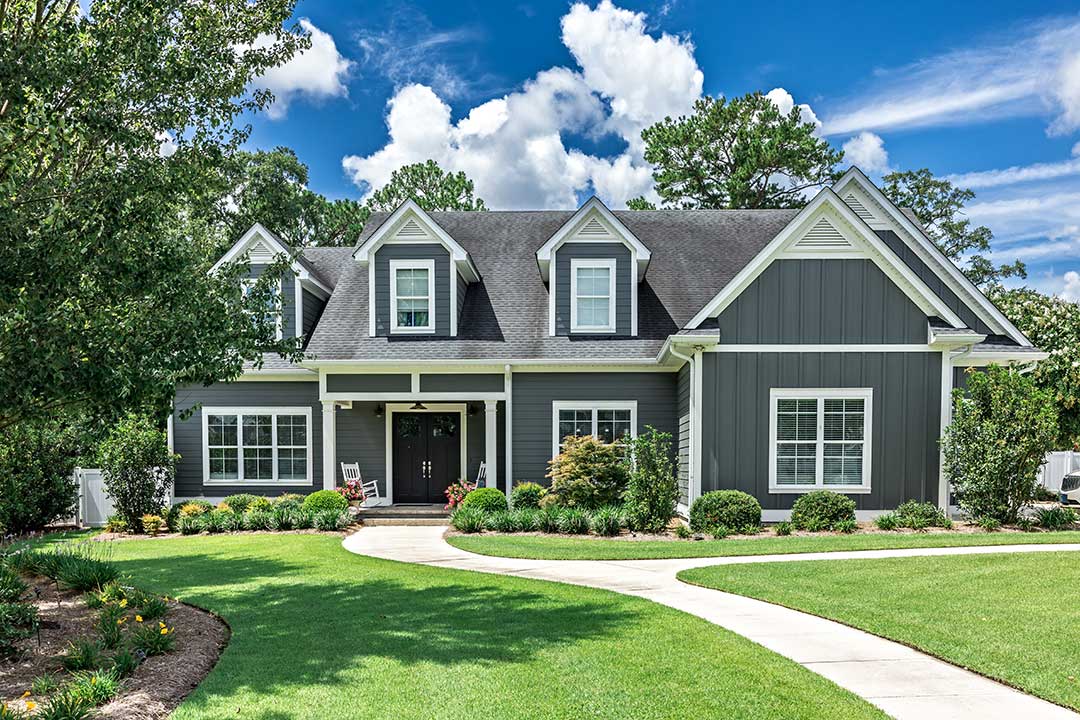
How Much Watering and Fertilizing Is Needed?
Low-maintenance does not mean no maintenance. Most of these plants will need extra water during their first season to establish roots. After that, local rainfall is usually enough, except during extended dry periods.
- Deep watering once every week or two is better than daily shallow sprinkling in hot weather.
- For fertilization, most easy-care plants can thrive with an annual topdressing of compost rather than commercial products.
What Are Common Mistakes When Choosing Easy-Care Plants?
Some homeowners expect plants labeled "low-maintenance" to thrive anywhere without attention, but location still matters. Avoid these pitfalls:
- Planting sun-loving species in constant shade or vice versa.
- Over-fertilizing, which can cause excessive growth and more pruning.
- Ignoring soil drainage—a common clay soil in the area needs species that tolerate or improve it over time.
- Underestimating deer or rabbit browsing, which can damage even hardy choices unless some protection is in place.
How Do Seasons Affect Low-Maintenance Garden Choices?
Winter cold and summer humidity each pose distinct challenges in the city’s climate. Good choices are resilient to late frosts, handle hot July afternoons, and recover quickly after spring thaws. Mulching in early winter and cutting back herbaceous perennials once frost hits help keep the landscape tidy with little ongoing effort.
Are There Minimal-Mow Lawn Alternatives?
Those ready to reduce or replace traditional turfgrass might consider:
- Fine fescue blends—Tolerant of shade, require less mowing, and need less water than standard bluegrass.
- Clover lawns—Lower maintenance, stay green through summer heat, and naturally enrich the soil.
With the right plant choices suited for the city’s clay soils, fluctuating weather, and neighborhood wildlife, even the busiest homeowners can create a landscape that looks appealing year-round without demanding much work.