

 See My Latest Article on HelloNation
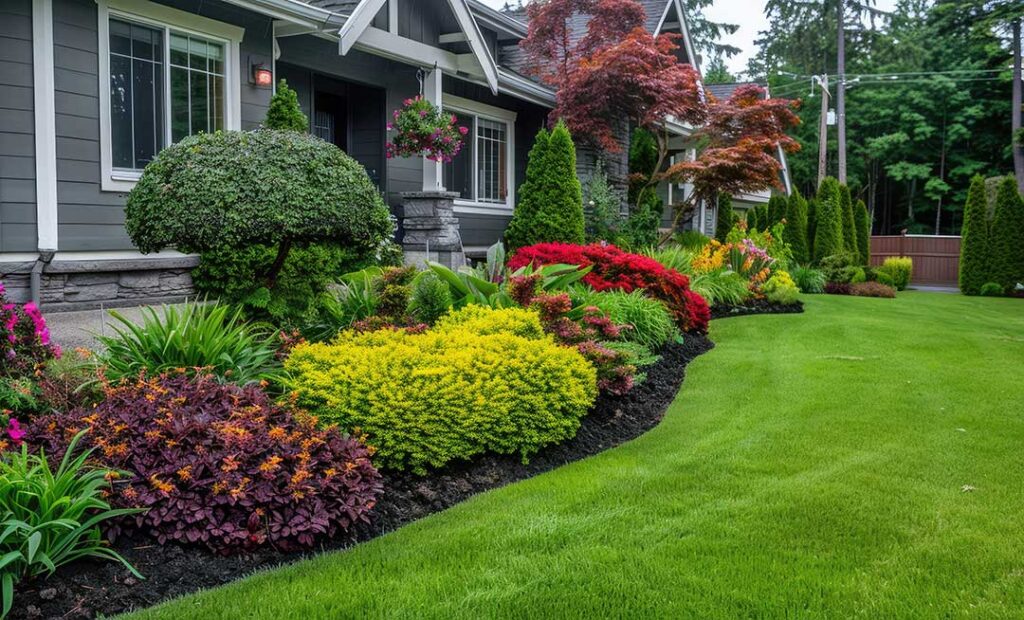
Garden mulch does more than improve appearance. The right material can help conserve moisture, moderate soil temperatures, reduce weed growth, and protect plant roots through changing seasons. Here in Farmington Hills, choosing mulch requires attention to clay-heavy soil, summer heat, spring moisture, and the needs of each planting area.
What does mulch do for a garden?
Mulch is a protective layer placed over exposed soil. Organic mulches gradually break down and add small amounts of organic matter, while inorganic materials such as stone provide longer-lasting ground cover without decomposing.
A properly applied mulch layer can:
- Slow evaporation during dry weather
- Reduce weed seed germination by blocking light
- Protect roots from rapid temperature changes
- Limit soil erosion during heavy rain
- Reduce mud and soil splashing onto foliage
- Improve the appearance of garden beds
- Support soil organisms when organic materials decompose
Mulch is helpful, but it does not correct every soil problem. Compacted soil, poor drainage, and plant diseases still require separate attention.
Which mulch is best for gardens in Farmington Hills?
For most residential planting beds, shredded hardwood, leaf mulch, or finely textured composted mulch are practical choices. These materials fit well with perennial gardens, shrubs, and mixed foundation beds because they moderate moisture while gradually improving the soil surface.
Shredded hardwood stays in place better than large, loose chips, especially on sloped beds. Leaf mulch is useful around established perennials and woodland-style plantings. Compost-based mulch can benefit tired soil, but it should be fully finished and free of weed seeds.
The best choice depends on the plants and location:
- Perennial flowers: Shredded hardwood or leaf mulch applied lightly
- Shrubs: Medium-textured wood mulch that will not mat tightly
- Vegetable gardens: Compost, chopped leaves, or clean straw
- Sloped beds: Shredded material that resists washing away
- Areas near walkways: Mulch that is less likely to scatter under foot traffic
- Dry, sunny beds: Organic mulch that helps slow moisture loss
- Wet or poorly drained beds: A thin layer that does not trap excess moisture around stems
Color and appearance matter to many homeowners, but texture, cleanliness, and suitability for the plants should come first.
How much mulch should be applied?
Most garden beds need approximately 2 to 3 inches of mulch. That depth is usually enough to reduce weed growth and moisture loss without creating an overly thick layer.
Avoid spreading mulch more than 4 inches deep unless there is a specific reason and the material is carefully managed. Excess mulch can hold too much moisture, reduce air movement near the soil surface, and encourage shallow roots.
Before adding new material, check the existing depth. Repeatedly adding mulch without loosening or removing compacted layers can create a dense mat. A simple depth check with a hand trowel is often enough to determine whether a bed actually needs more.
Mulch should be spread evenly, with the soil surface still visible around plant stems and trunks.
Why should mulch be kept away from tree trunks and plant stems?
Mulch should never be piled against trunks or stems. A gap of several inches allows the bark and lower stems to remain dry and well ventilated.
A mound of mulch around a tree trunk can create several problems:
- Persistent moisture against the bark
- Increased risk of decay and insect damage
- Reduced air circulation
- Rodent activity in the sheltered material
- Roots growing too close to the surface
The familiar “volcano” shape around trees is a poor practice, even if it looks tidy at first. Mulch should resemble a shallow, level blanket rather than a cone.
For shrubs and herbaceous plants, pull mulch slightly away from the crown, which is the point where stems meet the root system.
Should mulch be used over clay soil?
Mulch can help clay soil, but it should not be mixed deeply into the ground. In many established residential beds, the surface soil contains a mixture of clay, loam, roots, and previously added organic matter. Organic mulch placed on top gradually supports soil life and improves the surface as it decomposes.
Mixing large amounts of wood mulch directly into clay soil can temporarily tie up available nitrogen as microorganisms break down the carbon-rich material. It may also create uneven pockets that interfere with drainage and root growth.
A better approach is to:
1. Loosen compacted areas without damaging plant roots.
2. Add finished compost to the planting soil when appropriate.
3. Apply a moderate layer of mulch on the surface.
4. Keep the material away from stems and trunks.
5. Refresh only when the layer has noticeably thinned.
Mulch is most effective when paired with healthy soil preparation rather than used as a substitute for it.
Is dyed mulch safe for garden plants?
Most commercially colored wood mulches are made from processed wood and colored with pigments, but product quality can vary. The more important question is what material was used before it was processed and whether it contains contaminants.
For edible gardens, plain compost, chopped leaves, straw, or untreated wood products are generally easier choices. Avoid using unknown shredded material, construction debris, painted wood, or mulch with a strong chemical odor.
In ornamental beds, colored mulch may function adequately, but it can heat more quickly in full sun and may fade unevenly. Natural brown wood, leaf mulch, and compost tend to blend more easily with perennial plantings and mature landscapes.
When should mulch be applied in Farmington Hills?
Spring and late fall are both useful times to apply mulch, but the purpose is different.
Spring application helps conserve moisture and reduce weeds as plants begin active growth. It is best to wait until the soil has warmed and dried enough to avoid covering saturated ground.
Late fall application can protect shallow-rooted perennials and reduce winter temperature swings. Do not apply a thick layer over wet soil or use heavy mulch to hide diseased plant debris. Remove visibly infected leaves and stems before covering the bed.
After heavy spring rain, inspect beds for mulch that has shifted toward sidewalks, drains, or plant crowns. In summer, check whether the soil beneath the mulch is actually dry before watering. Mulch reduces evaporation, but it does not eliminate the need to monitor moisture.
What common mulch mistakes should gardeners avoid?
Several problems appear repeatedly in residential landscapes:
- Applying mulch over weeds without removing established roots
- Covering buried plant crowns
- Using fresh wood chips in vegetable beds and mixing them into soil
- Creating thick layers that stay wet after rain
- Letting mulch cover drainage areas or block air vents
- Using grass clippings in thick, compacted layers
- Adding new mulch every year without checking the existing depth
- Spreading diseased plant material through homemade mulch
Grass clippings can be useful when applied in thin layers and free of herbicide concerns. Thick layers tend to mat, smell, and restrict air movement.
The most reliable approach is simple: match the material to the planting area, keep the depth moderate, leave space around stems, and inspect the bed throughout the growing season. In Farmington Hills, that routine helps mulch perform its practical job without creating new soil, drainage, or plant-health problems.