

 See My Latest Article on HelloNation
How Are Landscaping Preferences Changing in Farmington Hills, MI?
Homeowners in Farmington Hills, MI are increasingly seeking outdoor spaces that blend practicality with natural beauty. Changing weather patterns, evolving home designs, rising interest in sustainability, and the desire for easy maintenance are all shaping local landscaping decisions. Modern trends reflect these priorities—favoring solutions that look appealing year-round while being mindful of the local climate and lifestyle habits.
What Types of Plants Are Most Popular with Local Residents?
Low-maintenance, climate-appropriate plantings are becoming the standard. Residents are moving away from water-hungry lawns and embracing resilient greenery:
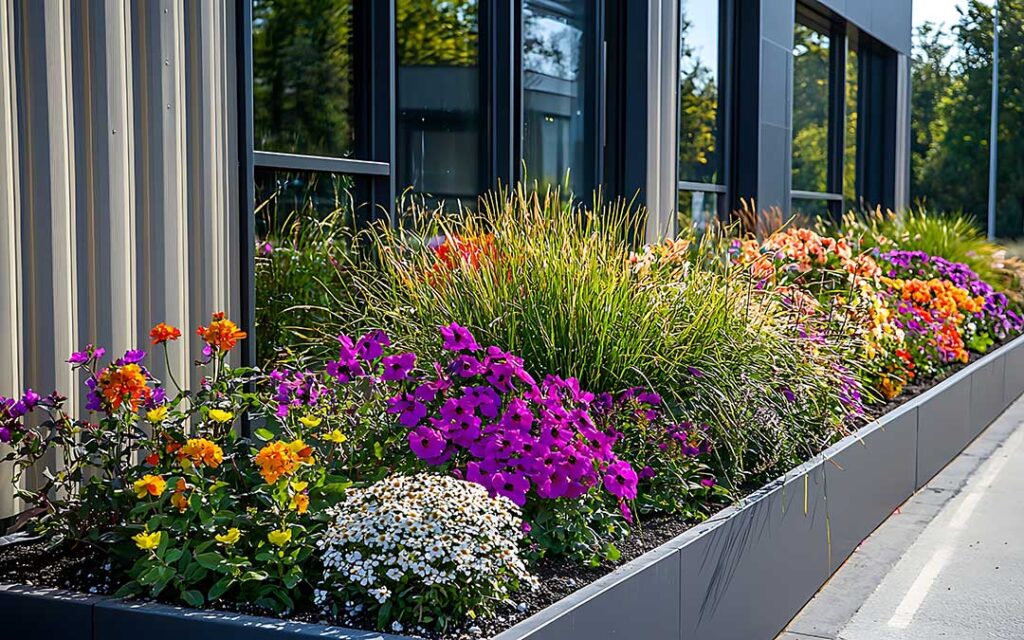
- Drought-tolerant native species—such as Black-eyed Susans, coneflowers, and Michigan bluestem grasses—thrive with minimal care.
- Ornamental grasses are favored for their texture and movement, maintaining visual interest into the winter months.
- Perennial beds with pollinator-friendly flowers support local bees and butterflies while reducing annual replanting chores.
Choosing plant varieties adapted to the four-season climate of Farmington Hills helps ensure lush, vibrant landscapes that don’t require extensive watering or annual replacement.
How Are Outdoor Living Areas Evolving in Local Neighborhoods?
Functional outdoor spaces go well beyond patios and grills today. Residents are investing in areas designed for comfort, privacy, and year-round enjoyment:
- Extended patios with seating zones, fire pits, or outdoor fireplaces provide cozy gathering spots from spring through fall.
- Pergolas and shade structures, often paired with climbing plants, create shelter from both summer sun and spring rain.
- Multi-use layouts allow for relaxation, dining, and play within the same yard, making the most of limited space.
Many families prefer modular elements, allowing flexibility for children, pets, or changing entertaining needs. These spaces are often designed with low-maintenance materials—think composite decking, natural stone, or pavers that resist local freeze-thaw cycles.
Are Sustainable Landscaping Practices Becoming More Common?
Sustainability is no longer a niche interest. Local households want landscapes that require fewer resources and support the area’s natural ecology. Some popular approaches include:
- Replacing parts of traditional lawns with ground covers, wildflower meadows, or woodland gardens that use less water and fertilizer.
- Installing rain gardens—shallow, planted depressions that capture and filter stormwater, helping manage runoff and reduce flooding risks.
- Incorporating permeable hardscapes, like gravel paths and porous pavers, to improve drainage and replenish groundwater.
Home composting stations and mulching with leaves or wood chips from the autumn cleanup are also common strategies for recycling nutrients locally.
What Are the Latest Trends for Outdoor Lighting and Technology?
Subtle, energy-efficient lighting provides both safety and nighttime ambiance:
- LED fixtures are popular for their durability and minimal energy use.
- Solar-powered path lights minimize wiring and make use of sunny yard spots.
- Smart, app-controlled lighting systems allow residents to adjust brightness or color for different events or seasons.
Water conservation technologies are also trending. Homeowners are investing in weather-sensing irrigation controllers and rainwater harvesting barrels to make the most of natural rainfall.
How Do Residents Balance Privacy and Openness in Their Yards?
Privacy is a common concern in established neighborhoods, but today’s solutions avoid the stark look of old-fashioned fences. Instead, residents are:
- Planting mixed shrub borders or living screens with staggered heights for screening without closing off the yard.
- Using trellises or lattices with vining plants to block views while letting natural light through.
- Designing sunken patios or bermed plantings to create visual separation and minimize exposure from nearby homes or sidewalks.
These methods help preserve a sense of openness, encourage air flow, and create attractive yard edges rather than hard boundaries.
What Mistakes Should Area Households Avoid When Updating Their Landscapes?
Some common pitfalls can trip up even experienced gardeners:
- Overplanting: Packing too many shrubs or trees into a small space can lead to crowding and poor growth long-term.
- Neglecting soil conditions: Heavy, clay-rich soils typical of the area need amendment and thoughtful drainage planning.
- Underestimating winter impact: Hardy, salt-tolerant varieties should be selected near driveways or roads to survive Michigan’s cold months and deicing treatments.
- Disregarding local ordinances: Failing to consult city regulations on heights, setbacks, or stormwater runoff can lead to costly corrections.
Taking the time to match landscape changes to local growing conditions and community guidelines ensures lasting results and minimizes regrets.
What overlooked factors make a difference in landscaping success here?
Microclimates in Farmington Hills yards can affect plant survival and overall landscape performance. South-facing beds may experience significantly more heat and dryness, while low areas collect moisture and cold air. Recognizing patterns of shade, wind exposure, and soil moisture can help residents choose plants and materials that will thrive in their unique setting.
Taking cues from well-established neighboring gardens or local parks can also provide inspiration and highlight species proven to succeed in the community.