

 See My Latest Article on HelloNation
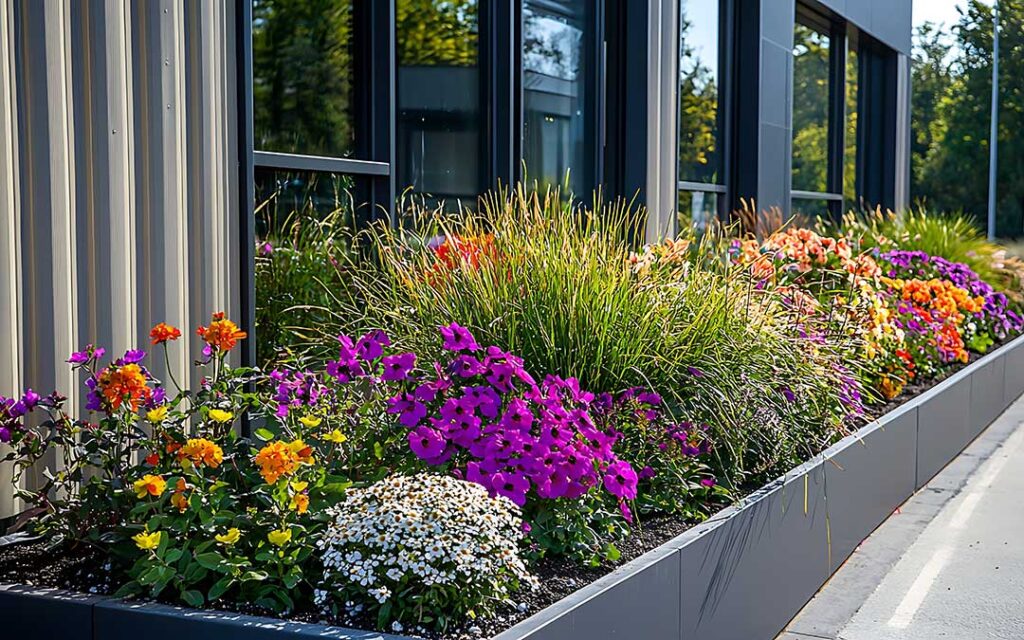
Pollinators are attracted to gardens that provide three basic resources: nectar, pollen, and shelter. A garden does not need to be large or highly specialized. Even a few flowering plants, a shallow water source, and a reduction in pesticide use can make a noticeable difference for bees, butterflies, moths, and other beneficial insects.
After years of observing residential landscapes across Farmington Hills, I have found that the most successful pollinator gardens are usually simple, layered, and allowed to change with the seasons.
Which plants attract pollinators most reliably?
The most useful plantings offer flowers from spring through fall rather than producing one large flush of blooms. Native and well-adapted perennial plants are especially valuable because they provide dependable food with less maintenance once established.
For a residential garden, consider including plants from several bloom periods:
- Early spring: Willow, serviceberry, golden Alexander, wild geranium, and native violets
- Late spring and summer: Penstemon, bee balm, milkweed, coneflower, mountain mint, and black-eyed Susan
- Late summer and fall: Asters, goldenrod, anise hyssop, and sedums
Flower shape also matters. Flat-topped flowers, such as yarrow and many asters, allow small bees and beneficial flies to feed easily. Tubular blooms, including bee balm and penstemon, are useful for insects with longer tongues, including some bumble bees and moths.
A mix of flower colors can help, but bloom timing and plant structure are more important than choosing flowers based only on appearance.
Do native plants make a difference?
Native plants often support a wider range of local insects because they developed alongside regional wildlife. They are also more likely to tolerate the seasonal conditions found in Farmington Hills, including cold winters, wet spring soils, summer heat, and periods of drought.
Native plants do not need to fill every part of a landscape. A practical approach is to add a few species to existing beds, borders, or sunny edges. For example, replacing a small section of lawn with coneflower, aster, and milkweed can provide more habitat than adding a single ornamental plant surrounded by turf.
Some nonnative garden plants can still provide nectar, particularly if they are free of invasive tendencies and bloom when few other plants are flowering. However, a garden with several regionally native species generally offers more ecological value than one based entirely on highly bred ornamental varieties.
How much sunlight does a pollinator garden need?
Most flowering plants that attract bees and butterflies perform best with at least six hours of direct sunlight. A sunny south- or west-facing border, open lawn edge, or raised planting area can work well.
Partly shaded areas are still useful. Woodland-edge plants such as wild geranium, Jacob’s ladder, and golden ragwort can support pollinators in lighter shade. The key is to match the plant to the site instead of placing sun-loving flowers under mature trees.
Before planting, watch the area for a full day if possible. Notice whether the soil stays wet after rain, whether tree roots dominate the space, and whether nearby structures create afternoon shade. This simple observation prevents many common planting failures.
How can homeowners provide food throughout the growing season?
A continuous sequence of flowers is more helpful than a garden that blooms all at once. In Farmington Hills, early spring flowers can be especially valuable because overwintering bees may become active before many ornamental beds begin flowering.
Try arranging plants so that each season has at least two or three reliable food sources. Early bulbs can help bridge the gap before perennials emerge, while asters and goldenrod provide late-season nourishment before winter.
Deadheading can encourage some plants to produce more flowers, but it should not be done automatically across the entire garden. Leaving a few seed heads standing provides food for birds and creates winter structure. Hollow stems and dried plant material also offer shelter for insects.
A balanced approach is to remove diseased or unsafe material while leaving healthy stems in place until late winter or early spring.
What kind of shelter do pollinators need?
Pollinators need more than flowers. Many species spend most of their lives in soil, hollow stems, leaf litter, or woody debris.
Useful habitat features include:
- A small area of bare, well-drained soil for ground-nesting bees
- Hollow-stemmed plants left standing through winter
- Leaf litter beneath shrubs or at the back of a planting bed
- Dense native grasses and perennials for protection from wind
- Small logs, branches, or brush placed discreetly near the garden
Avoid covering every exposed area with landscape fabric or thick layers of decorative stone. Those materials can reduce nesting opportunities for ground-dwelling bees and may make soil hotter and drier than many insects can tolerate.
A tidy-looking garden can still provide habitat by concentrating leaf litter and stems in less visible corners rather than removing all natural material from the property.
Should a pollinator garden include water?
A shallow water source can help, particularly during hot, dry weather. Use a dish, saucer, or similarly shallow container with stones or pebbles rising above the waterline. The stones give insects a safe place to land and reduce the risk of drowning.
Change the water frequently to prevent mosquitoes and algae. Avoid deep containers and standing water that cannot be monitored. Moist soil, damp leaf litter, and muddy edges can also provide minerals that some butterflies seek.
A formal pond is not necessary. Even a small, carefully maintained water station can supplement the habitat already provided by flowers and shelter.
How should pesticide use be handled?
Reducing unnecessary pesticide use is one of the most direct ways to protect pollinators. Insecticides can affect beneficial insects as well as the pest species they target, especially when applied to flowering plants.
Start by identifying the problem before treating anything. A few chewed leaves, aphids, or caterpillars may not threaten the health of an established plant. Hand removal, pruning affected stems, improving airflow, or washing insects from foliage may be enough.
If treatment is genuinely needed, avoid spraying open flowers and never apply products when bees are actively foraging. Follow the product label exactly, including instructions about weather, timing, and protection of flowering plants. Broad, routine applications are more likely to cause unintended harm than targeted action.
Herbicides also deserve caution. Allowing a small number of low-growing flowers, such as violets or dandelions, to remain in a less formal part of the lawn can provide early-season food.
What lawn changes help pollinators?
A completely manicured lawn offers limited food and shelter. The entire yard does not need to be converted, but reducing lawn in selected areas can improve habitat.
Useful changes include:
- Mowing less frequently in a designated section
- Raising the mower height to protect low-growing flowers
- Leaving clover and violets in areas where they are acceptable
- Planting a flowering border along a fence or walkway
- Replacing difficult-to-maintain turf beneath trees with shade-tolerant plants
During periods of drought, slightly taller grass develops deeper roots and generally handles stress better. It can also provide more cover for insects near the soil surface.
How can a small garden support pollinators?
Even a balcony, patio container, or narrow foundation bed can provide nectar. Choose several plants with different bloom periods rather than filling every container with the same flower.
Containers should have drainage holes and be watered consistently during hot weather. Native perennials, herbs allowed to flower, and compact flowering plants can all contribute. Grouping containers together makes the flowers easier for pollinators to find and creates a more concentrated feeding area.
The most effective small gardens combine flowering plants with a few undisturbed spaces. A modest bed that blooms from spring through fall and avoids routine pesticide use can be more useful than a larger bed that is frequently cut back, sprayed, or cleared.
What common mistakes reduce pollinator activity?
The most frequent problems are limited bloom time, excessive cleanup, and planting only highly decorative flowers with little habitat value. Another mistake is placing a pollinator garden in a location that stays saturated, heavily shaded, or exposed to constant disturbance.
Avoid relying on a single plant species. Plant diversity reduces the risk that one disease, pest, or weather event will eliminate the garden’s food supply.
Also be cautious with nursery plants that may have been treated with systemic insecticides. Ask about treatment history when possible, especially for plants intended to support bees or butterflies.
With a mix of seasonal flowers, nesting areas, shallow water, and fewer chemical treatments, residential landscapes can become useful habitat without becoming difficult to maintain.