

 See My Latest Article on HelloNation

What Does a Drought-Resistant Landscape Look Like in Farmington Hills, MI?
A drought-resistant landscape is designed to minimize water use while still providing an attractive and functional outdoor space. In Farmington Hills, this often means selecting plants adapted to periodic dry spells, improving the soil’s ability to retain moisture, and smartly planning irrigation.
Drought conditions aren’t constant here, but periods of low rainfall, summer heat, and water restrictions are regular concerns. Lawns that struggle to stay green during dry spells or garden beds that wither without frequent watering are common frustrations for area households. A thoughtfully designed yard can look healthy even in extended dry weather, with less maintenance and lower water bills.
How Can Local Residents Reduce Water Use Without Sacrificing Curb Appeal?
Yes, it’s possible to create a landscape that handles drought well and looks appealing. The key is making choices geared toward long-term resilience.
Some proven approaches include:
- Swapping thirsty turfgrass for native groundcovers, ornamental grasses, or mulched planting beds
- Choosing a diversity of plants that are known to thrive in local soil and climate
- Grouping plants by their water needs to avoid over-watering drought-tolerant species
- Adding trees for shade, which naturally cools the ground and reduces soil moisture loss
Farmington Hills’ mix of sunny and shaded neighborhoods, as well as the area’s clay-rich soils, means plant selection and grouping can make a noticeable difference in yard health and appearance.
Which Plants Are Good Options for Drought Resilience Here?
The most reliable drought-tolerant plants for this region are often those native to the lower Great Lakes. These plants are naturally adapted to periodic summer dryness and local soil conditions.
Examples include:
- Groundcovers such as wild strawberry or barren strawberry for low, spreading green areas
- Tall ornamental grasses like little bluestem, switchgrass, or prairie dropseed
- Shrubs such as serviceberry, ninebark, or New Jersey tea
- Perennials including coneflower, black-eyed Susan, butterfly milkweed, or coreopsis
A common misconception is that drought-tolerant means “rock garden” or “cacti.” In reality, many native perennials and shrubs provide color and texture while using less water than standard lawn or imported flowers.
How Can Soil Be Improved to Hold More Moisture?
Improving soil structure is one of the best ways to reduce irrigation needs. In Farmington Hills, many yards contain heavy, compacted soils that run off water quickly or become hard during summer droughts.
Simple techniques to help soil retain water include:
- Mixing in compost, shredded leaves, or aged wood chips before planting
- Adding mulch after planting beds are established to keep the ground cool and reduce evaporation
- Avoiding frequent tilling, which can break down soil structure over time
Healthy soil is often “springy” to the touch and absorbs water steadily during rain. It requires much less supplemental irrigation because organic material holds moisture close to plant roots.
Can Lawns Be Made More Drought-Resistant?
Traditional cool-season grasses (like Kentucky bluegrass) require regular watering in dry spells to stay green. Local homeowners can reduce watering needs by modifying their lawn care approach:
- Mowing grass at a taller height (3-4 inches) encourages deeper roots and shades the soil better.
- Leaving clippings on the lawn helps the soil retain moisture and return nutrients.
- Overseeding with drought-tolerant fescues or mixes can gradually shift the lawn towards varieties that hold up better in dry conditions.
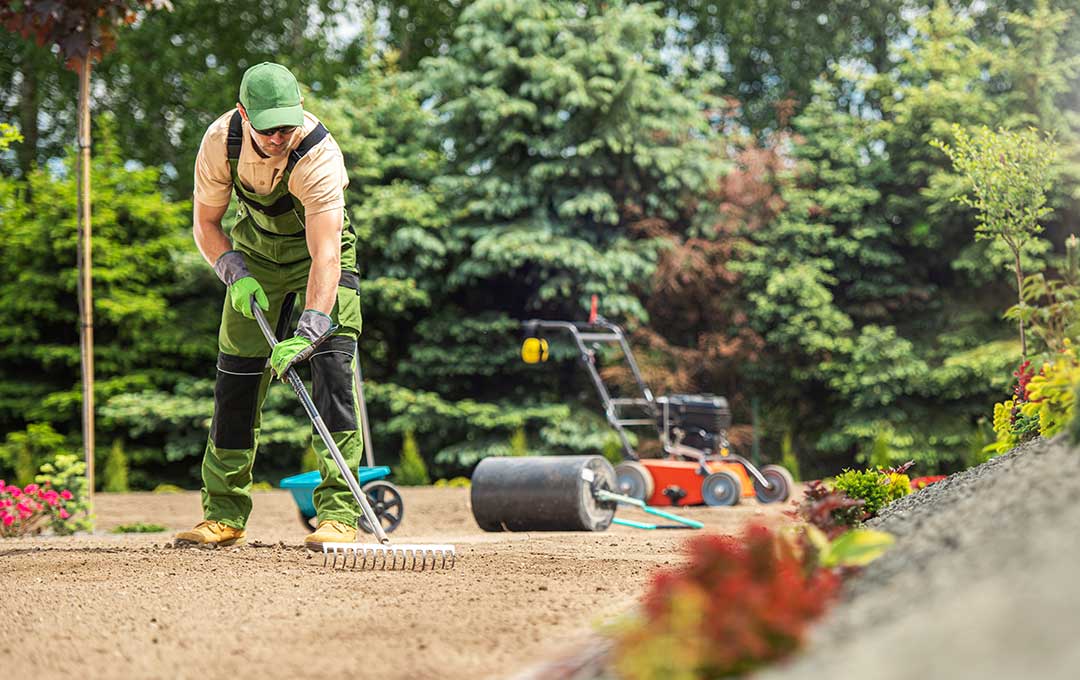
Some choose to transition away from a full lawn to mixed plantings. However, for those who want to keep grassy areas, adjusting care practices and seed selection can make a meaningful difference.
What is the Role of Mulch in Drought-Resistant Landscaping?
Mulch is an essential tool for holding soil moisture and reducing weed competition. Several types work well locally:
- Shredded wood mulch is widely available and breaks down slowly.
- Pine bark or leaf mulch improves organic content in the soil as it decomposes.
- Gravel or stone mulch can be used in areas where a hardscape look is desired, though it reflects more heat.
A layer of 2-4 inches of mulch around plants and over open soil slows water evaporation and keeps root zones cooler during hot stretches.
How Can Irrigation Be Managed for Maximum Water Efficiency?
Efficient irrigation is about supplying water where and when it’s actually needed. Automatic sprinklers often waste water by running on set schedules regardless of weather or soil conditions.
Practical strategies for Farmington Hills gardens:
- Water early in the morning or late in the day to minimize evaporation.
- Use drip irrigation or soaker hoses to deliver water directly to plant roots.
- Routinely check for runoff, pooling, or obvious “dry spots” that could signal system adjustment needs.
It’s better to water deeply and less frequently than to give plants a little bit of water every day. Deep watering encourages roots to grow down into the soil, improving resilience when dry spells hit.
Are There City Guidelines or Restrictions to Keep in Mind?
Farmington Hills occasionally implements water restrictions during droughts, and local ordinances may regulate watering times or methods. Residents can check city communications for alerts or updated regulations.
Replacing portions of lawn with low-water plantings, using mulching, and optimizing irrigation all help stay compliant during restrictions and make the most of each drop used.