

 See My Latest Article on HelloNation
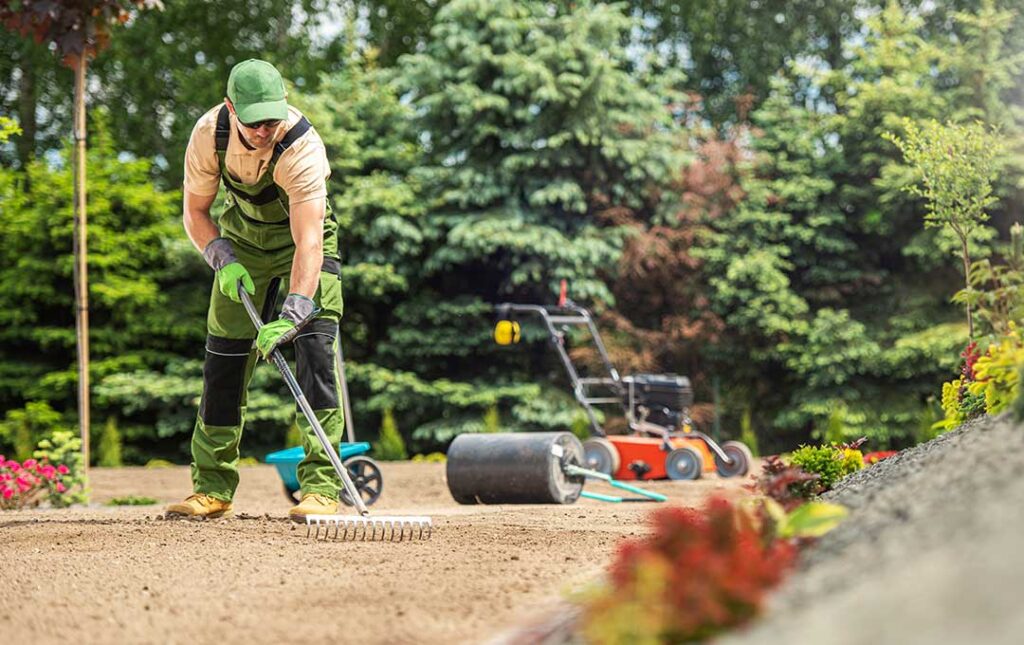
Healthy grass depends less on making a lawn look perfect and more on maintaining suitable mowing, watering, soil, and seasonal practices. Here in Farmington Hills, cool-season turf commonly grows most actively during spring and early fall, while summer heat, compacted soil, shade, and winter conditions can create stress.
What mowing height is healthiest for a residential lawn?
For most established lawns, keep grass about 3 to 4 inches tall during the growing season. Taller grass develops a larger leaf area, shades the soil, reduces moisture loss, and helps limit weed germination.
Avoid removing more than one-third of the grass blade during a single mowing. Cutting too much at once can expose the soil, weaken the root system, and leave the lawn more vulnerable to heat and disease.
A sharp mower blade also matters. Dull blades tear grass rather than making clean cuts, leaving ragged brown tips that can increase water loss and create entry points for disease. Check the blade several times during the season, especially if the mower has been used around sticks, roots, or rough areas.
Grass clippings can usually remain on the lawn if they are short and evenly distributed. They return nutrients to the soil and do not create excessive thatch when mowing is done regularly.
How often should a lawn be watered?
Water when the soil is beginning to dry rather than following a rigid calendar. A healthy lawn generally needs about 1 inch of water per week from rainfall and irrigation combined, although the amount varies with soil, shade, grass type, temperature, and slope.
Place a shallow container in the sprinkler pattern to measure how much water is being applied. This is more reliable than estimating by run time because sprinkler output differs widely.
Watch for signs of drought stress:
- Grass blades fold or curl.
- Footprints remain visible after walking across the lawn.
- The color changes from bright green to gray-green.
- Growth slows noticeably.
During hot, dry periods, cool-season grass may become dormant and turn brown. Dormancy is a natural survival response and does not necessarily mean the lawn has died. Avoid forcing green growth with frequent shallow watering. Instead, water thoroughly enough to reach the root zone, then allow the upper soil surface to begin drying.
Water early in the day when possible. Morning irrigation gives grass time to dry and reduces the prolonged leaf moisture that can encourage fungal problems. Avoid watering during heavy rain or on saturated soil, particularly in low areas where runoff or standing water is common.
Why does soil condition affect lawn health?
Grass cannot perform well in compacted or poorly drained soil, even when fertilizer and water are applied correctly. Foot traffic, construction activity, heavy clay content, and repeated mowing when the soil is wet can all reduce the air spaces that roots need.
A simple test is to push a screwdriver or metal rod into the soil when it is moderately moist. If it is difficult to penetrate several inches, compaction may be limiting root growth.
Core aeration is most useful when the lawn is actively growing and the soil is not excessively wet. In Farmington Hills, early fall is often a practical time because cool-season grass can recover while temperatures are moderate. Aeration removes small plugs of soil, allowing air, water, and nutrients to move more easily into the root zone.
Do not aerate merely because it is part of an annual routine. Lawns with loose soil and little foot traffic may not need it every year. Focus on areas that are thin, heavily used, slow to absorb water, or prone to puddling.
When should grass seed be planted?
Early fall is generally the most favorable period for overseeding cool-season lawns. Warm soil supports seed germination, cooler air reduces heat stress, and seasonal rainfall can make establishment easier.
Prepare thin areas by mowing slightly shorter, removing loose debris, and improving seed-to-soil contact. Keep newly seeded soil consistently moist with light watering until seedlings emerge. After the grass becomes established, gradually water less often and more deeply.
Spring seeding can work, but it often requires more irrigation and faces stronger competition from summer weeds. Avoid seeding during the hottest, driest part of summer unless reliable watering is available.
Choose seed based on sunlight and use. Lawns with several hours of direct sun can support different grasses than areas beneath mature trees or between closely spaced homes. A shade-stressed lawn may remain thin even with adequate fertilizer because grass still needs enough light for photosynthesis.
How much fertilizer does a lawn need?
Fertilizer should support growth, not replace good mowing, watering, or soil management. Excess nutrients can produce weak, rapid growth and may move into storm drains or waterways during rain.
A soil test is the most dependable way to determine whether nutrients are actually lacking. Without testing, avoid applying fertilizer simply because the lawn looks tired. Yellowing may also result from poor drainage, compacted soil, drought, disease, or damaged roots.
Fall feeding is often more useful for cool-season turf than heavy early-spring applications. Grass can use nutrients to support root development and recover from summer stress. Follow the product label carefully, avoid spreading fertilizer onto sidewalks or driveways, and sweep stray granules back onto the lawn.
Grass clippings left in place also return small amounts of nutrients, reducing the need for frequent feeding.
How can weeds and lawn diseases be reduced naturally?
The strongest long-term defense against weeds is dense, actively growing turf. Mowing too short, watering shallowly, and allowing bare soil to remain exposed create conditions that favor weeds.
Inspect the lawn before using any treatment. Look for patterns that help identify the cause:
- Circular brown patches may indicate disease, drought stress, or animal activity.
- Thin strips near sidewalks may reflect salt, heat, or compacted soil.
- Weeds concentrated in wet areas may signal drainage problems.
- Repeated damage beneath trees may result from shade and root competition.
Remove isolated weeds by hand when practical. If a treatment is necessary, identify the weed or disease first and follow all label directions, including application timing and precautions around children, pets, gardens, and water.
What seasonal habits protect a lawn?
In spring, wait until the soil has dried enough to support foot traffic without leaving ruts. Remove branches and heavy leaf cover, but avoid aggressive raking that tears out new growth.
During summer, raise the mowing height, reduce unnecessary traffic during drought, and check irrigation coverage. Brown grass is not automatically a reason to fertilize.
In fall, continue mowing while grass is growing, remove thick layers of leaves, and address compacted or thin areas. Leaves left in a dense mat can block light and trap moisture.
Before winter, keep the lawn free of prolonged piles of leaves, equipment, lumber, and other objects. Avoid walking repeatedly across frozen or saturated turf because dormant grass crowns can be damaged and may recover slowly in spring.
Healthy lawn care in Farmington Hills is mainly a matter of timing and observation. Mow high, water according to soil conditions, improve compacted areas, seed thin spots in fall, and investigate problems before applying products. These practices usually produce stronger grass with less waste and fewer recurring problems.